
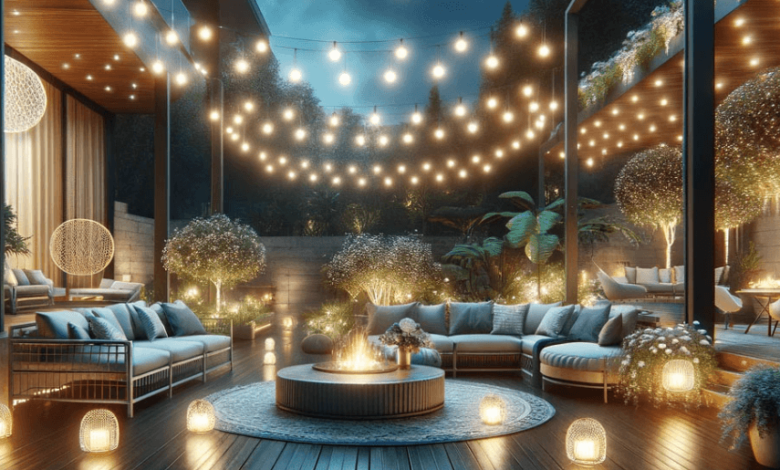
Introduction
Lighting plays an important role in how people experience residential, commercial, and architectural spaces. Over the years, LED technology has changed the way designers and businesses approach lighting projects. Traditional lighting systems often had limitations in terms of flexibility, energy consumption, and installation options. LED solutions provide more choices for creating practical and visually appealing environments.
From decorative home lighting to large commercial projects, LED strips, modules, and controllers allow users to design lighting systems according to specific requirements. Factors such as brightness, color temperature, waterproof protection, and installation flexibility help determine the right lighting solution for each application.
The Growing Role of LED Lighting in Modern Design
LED lighting has become a preferred option for many industries because of its efficiency and adaptability. Designers use LED products for creating comfortable indoor spaces, highlighting architectural features, and improving the appearance of commercial areas.
One of the main reasons for the popularity of LED lighting is its flexible installation capability. LED strips can be placed in areas where traditional lights cannot fit easily, such as narrow spaces, cabinets, ceilings, display areas, and decorative structures. They are widely used for cove lighting, edge lighting, signage, and background illumination.
Modern LED systems also offer different color options and brightness levels. For example, RGB and RGBW LED solutions allow users to create different lighting effects for entertainment areas, exhibitions, retail stores, and residential environments. This flexibility makes LED technology suitable for both functional and creative lighting designs.
Understanding Different Types of LED Lighting Components
LED lighting includes various components designed for different purposes. LED strips are commonly used when a continuous line of light is required. Different LED types, including SMD5050, SMD2835, SMD3528, and COB LED strips, provide different levels of brightness, efficiency, and appearance.
COB LED strips are becoming popular because they provide smooth and uniform lighting without visible spots. Compared with traditional SMD strips, COB technology creates a cleaner appearance and works well for applications where consistent illumination is important. Free-cutting COB LED strips can also help solve installation challenges in projects that require precise measurements and flexible placement.
Voltage selection is another important factor when choosing LED strips. A 24V LED strip system usually experiences less voltage drop compared with a 12V system, making it suitable for longer installation distances while maintaining consistent brightness.
When selecting LED lighting products, working with an experienced Expert led strip lights Supplier can help businesses understand different product specifications, including voltage options, waterproof ratings, brightness levels, and application requirements. Proper guidance helps ensure that lighting solutions match the technical needs of each project.
The Importance of Quality LED Modules in Lighting Applications
LED modules are another essential part of modern lighting systems. They are commonly used in signs, displays, advertising boards, and customized lighting installations. Their compact design and reliable performance make them suitable for projects that require focused illumination.
A suitable LED module should provide stable brightness, consistent color output, and reliable operation. Businesses often consider factors such as module size, power requirements, protection level, and installation method before selecting products for their projects.
A professional LED module distributor can help customers access different module options based on their project requirements. This support is useful for businesses that need specific lighting solutions for signage, commercial displays, or customized installations.
Applications of LED Technology Across Different Industries
LED technology is used in many industries because of its wide range of applications. In retail environments, LED lighting improves product visibility and creates attractive displays. Shopping centers, stores, and exhibition spaces often use LED strips and modules to highlight important areas.
Architectural lighting is another major application. LED products are used for lighting canopies, corridors, windows, archways, bridges, and building outlines. Waterproof LED strips with IP65 or IP68 protection are suitable for outdoor environments where resistance against moisture and weather conditions is required.
In residential spaces, LED strips are used for kitchen lighting, bedroom decoration, furniture lighting, and home improvement projects. Products with adhesive backing, flexible designs, and different color temperatures make installation easier for DIY users.
For example, Shenzhen Dekingled Co., Ltd., established in 2014, develops LED lighting solutions including LED strips, modules, and related accessories. The company provides products designed for applications such as architectural lighting, signage, decorative projects, and indoor illumination.
The company operates from 4th Floor, Building C, SanMing Industrial Park, Shiyan Town, Bao’an District, Shenzhen, China, and focuses on areas including fast delivery, cost-effective solutions, product quality, and technical support.
See also: Medals Townsville: Celebrating Local Heroes, Sports, and Traditions with Timeless Craftsmanship
Future Trends in LED Lighting Development
The LED lighting industry continues to develop with new technologies and improved product designs. Future lighting systems are expected to focus more on customization, smart controls, and energy efficiency.
Smart lighting controllers are becoming more common because they allow users to adjust brightness, colors, and lighting modes according to different needs. RGB touch controllers, for example, provide multiple color modes and remote control options for creating customized lighting effects.
Sustainability is also influencing LED development. Energy-saving products, longer-lasting components, and improved manufacturing processes help reduce maintenance needs and operating costs.
Conclusion
LED technology has expanded the possibilities for modern lighting design. From flexible LED strips to advanced modules, these solutions support a wide range of applications across residential, commercial, and architectural projects.
Choosing the right LED products requires understanding project requirements, technical specifications, and installation conditions. As LED technology continues to improve, businesses and designers can create more efficient, flexible, and visually effective lighting environments.


